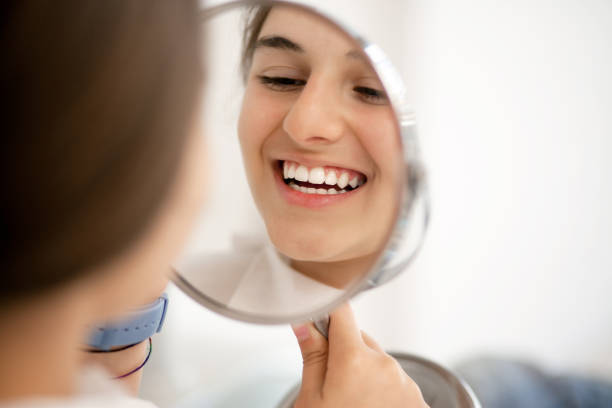
Have you ever noticed that your teeth don’t fit together quite the way they used to? Maybe your front teeth seem a little more crowded, chewing feels different, or one tooth touches before the others when you bite down. If so, you’re not imagining it. Your bite can naturally change over time, even if you’ve never had braces or orthodontic treatment.
Many people assume that once their adult teeth come in, they stay exactly where they are for life. In reality, your teeth are supported by living bone and connective tissues that constantly adapt to the forces of everyday life. Aging, missing teeth, teeth grinding, and even certain habits can gradually affect the way your upper and lower teeth come together.
At Frugé Family Dentistry, we help patients recognize these subtle changes early so they can maintain healthy, comfortable smiles for years to come. Through our comprehensive Family Dentistry services, we focus on preventing small concerns from becoming bigger problems.
Why Does Your Bite Change?
Your bite, also known as your occlusion, is the way your upper and lower teeth fit together. While it may seem like your teeth are fixed in place, they’re actually supported by tissues that allow for small, gradual movement throughout your lifetime.
One of the biggest reasons bites change is simply aging. As we get older, our jawbone naturally remodels, and years of chewing slowly wear down the surfaces of our teeth. These subtle changes can affect how your teeth come together and may even cause mild crowding, particularly among the lower front teeth.
Everyday pressure also plays a role. Every time you chew, clench your jaw, or grind your teeth while sleeping, small forces are placed on your teeth. While these changes happen slowly, they can add up over the years and lead to noticeable differences in your bite.
Common Causes of Bite Changes
Several factors can contribute to changes in your bite, and understanding them can help you protect your smile.
Missing Teeth
When a tooth is lost, the surrounding teeth naturally begin drifting toward the empty space. The tooth above or below the gap may also move because it no longer has an opposing tooth to bite against. Over time, this can affect your entire bite, making chewing less comfortable and increasing wear on other teeth.
Replacing missing teeth promptly with dental implants or another restorative option helps maintain proper alignment and prevents neighboring teeth from shifting.
Teeth Grinding
Many people grind or clench their teeth without realizing it because it often happens during sleep. Known as bruxism, this repeated pressure can wear down enamel, flatten teeth, and gradually change the way your bite fits together.
Common signs include morning headaches, jaw soreness, tooth sensitivity, and worn or chipped teeth. If you grind your teeth, a custom oral appliance can help protect your smile and reduce unnecessary stress on your jaw.
The American Dental Association also recommends regular dental visits to identify signs of grinding before permanent damage occurs.
Gum Disease
Healthy gums and bone are essential for keeping your teeth stable. When gum disease develops, bacteria can damage these supporting tissues, allowing teeth to loosen and shift over time. Bleeding gums, persistent bad breath, gum recession, and loose teeth are all signs that you should schedule a dental evaluation.
Regular cleanings and preventive care help protect your gums and reduce your risk of tooth movement caused by periodontal disease. You can also learn more about gum health through the National Institute of Dental and Craniofacial Research.
How to Protect Your Bite
Although some bite changes are a normal part of aging, there are several ways to help keep your smile healthy.
The most important step is visiting your dentist regularly. Routine exams allow your dentist to monitor changes in your bite, identify signs of tooth wear, and detect problems before they become more serious.
Maintaining excellent oral hygiene is equally important. Brushing twice a day, flossing daily, and scheduling professional cleanings help keep your gums healthy and provide the strong foundation your teeth need.
If you grind your teeth, wearing a custom night guard can prevent excessive wear and reduce stress on your jaw. It’s also a good idea to avoid using your teeth as tools to open packages or chew on hard objects like ice or pens, as these habits can contribute to unnecessary wear over time.
Finally, don’t ignore changes in the way your bite feels. If your teeth suddenly fit together differently, you notice new crowding, or chewing becomes uncomfortable, scheduling an evaluation early can often prevent more extensive treatment later.
Frequently Asked Questions
Is it normal for your bite to change as you get older?
Yes. Small bite changes are a natural part of aging, but sudden or significant changes should always be evaluated by your dentist.
Why are my bottom teeth becoming crowded?
Lower front teeth commonly become more crowded over time due to natural tooth movement, changes in the jaw, and years of everyday pressure from chewing and biting.
Can grinding my teeth change my bite?
Absolutely. Chronic teeth grinding can wear down your teeth, alter your bite, and place additional stress on your jaw joints if left untreated.
Keep Your Smile Healthy for Years to Come
Your bite plays an important role in your overall oral health, comfort, and quality of life. While some changes are simply a normal part of aging, others may be signs of conditions that are easier to treat when caught early. Regular dental visits, healthy daily habits, and prompt attention to changes in your bite can help keep your smile functioning at its best.
If you’ve noticed that your bite feels different or it’s time for your next dental checkup, the team at Frugé Family Dentistry is here to help. Call us today at 225-427-8205 to schedule your appointment and take the next step toward a healthier, more comfortable smile.