If you’ve ever been told you should come in for a dental cleaning every six months, you’re definitely not alone. That guideline is everywhere. Most people grow up hearing it and assume it is a strict rule for everyone.
The truth is a little more flexible than that. Six months is a helpful starting point, but it is not a perfect fit for every patient. Some people need cleanings more often, some less often, and many fall somewhere in between. At Frugé Family Dentistry, we focus on what your mouth actually needs rather than a one-size-fits-all schedule.
So let’s talk about what really determines how often you should be getting your teeth cleaned.
Why Six Months Became the Standard
The six-month recommendation exists because it works well for a large portion of patients. Plaque builds up on teeth every day, and if it is not removed thoroughly, it hardens into tartar. Once tartar forms, brushing and flossing at home cannot remove it.
For many people, it takes about six months for enough buildup to accumulate that a professional cleaning is needed. Regular visits also give your dentist a chance to spot early signs of cavities, gum disease, or other concerns before they turn into bigger problems.
That said, this timeline is based on averages. Your personal risk factors may shift that schedule.
Why Cleaning Frequency Is Not the Same for Everyone
Every mouth is different. Some people naturally build up plaque faster, even if they brush and floss regularly. Others have very little buildup over time. Genetics, saliva composition, diet, and overall health all play a role in how quickly problems develop.
Gum health is another major factor. If your gums are healthy and stable, you may do well with standard visits. If there is inflammation or a history of gum disease, more frequent cleanings are often recommended to keep things under control.
Medications, smoking, diabetes, and even stress can also affect your oral health more than most people realize. These factors can increase your risk for buildup and infection, which changes how often you should be seen.
When You May Need Cleanings More Often
Some patients benefit from coming in every three to four months instead of twice a year. This is especially true if there is a history of gum disease or if you have active inflammation in the gums.
Patients who smoke or use tobacco often need closer monitoring because tobacco makes it easier for bacteria to thrive and harder for gums to heal. People with diabetes or other health conditions that affect healing may also need more frequent care.
Orthodontic appliances, bridges, or areas that are harder to clean at home can also lead to faster buildup. In those cases, more regular professional cleanings help prevent small issues from turning into long-term problems.
When You Might Be Fine With Fewer Visits
There are patients who maintain excellent oral health with consistent home care and very little buildup between visits. In those cases, your dentist may recommend sticking with routine exams and cleanings without increasing frequency.
Even then, it is rare to go beyond a year without a cleaning. Plaque and tartar can develop slowly in areas that are easy to miss at home, and problems can start quietly without symptoms. Regular visits help make sure nothing is developing underneath the surface.
The Insurance Misconception
One of the most common misunderstandings about dental cleanings comes from insurance coverage. Many plans cover two cleanings per year, and patients often assume that means two is the medically recommended number for everyone.
In reality, insurance is designed around typical preventive care, not individual risk. Some patients need more frequent cleanings than insurance fully accounts for, especially if periodontal treatment is involved. Others may not need to push the full twice-a-year schedule in every situation.
The most important factor is your oral health, not the insurance calendar. Coverage is helpful, but it should not dictate what your mouth actually needs.
Signs You Might Need a Cleaning Sooner
Even if you are on a regular schedule, your mouth often gives early warning signs when something is off. Bleeding when brushing or flossing is one of the most common. Persistent bad breath, gum tenderness, or a fuzzy feeling on your teeth can also point to buildup that needs attention.
These symptoms do not always mean something serious is happening, but they do mean it is time to get checked. Catching things early usually means simpler, more comfortable treatment.
Why Regular Cleanings Matter More Than People Think
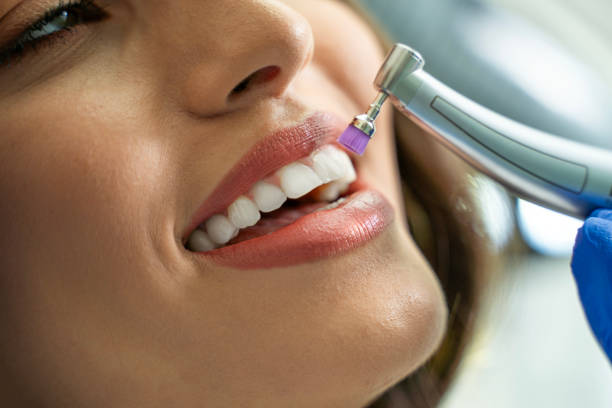
A professional cleaning is not just about keeping your teeth looking nice. It is one of the most effective ways to prevent long-term dental problems.
Cleanings remove hardened tartar that you cannot eliminate at home. They also reduce the bacteria that contribute to gum disease and cavities. When done regularly, they help your dentist catch small changes early, often before you feel any discomfort at all.
There is also a growing understanding of how oral health connects to overall health. Gum disease has been linked to conditions like heart disease and diabetes complications, which makes prevention even more important.
The Bottom Line
There is no universal rule that fits every patient perfectly. Six months is a solid general guideline, but your ideal schedule depends on your individual risk factors, gum health, and how your mouth responds over time.
Some people do best with more frequent visits, especially if there is a history of gum issues or higher risk factors. Others may do well with standard intervals and strong home care. The key is personalizing your care rather than relying on a blanket recommendation.
Let’s Talk
If you are unsure where you fall or if it has been a while since your last cleaning, we are here to help you figure it out. At Frugé Family Dentistry, we take the time to understand your oral health and recommend a schedule that makes sense for you.
We are located at 11811 Coursey Boulevard Suite A, Baton Rouge, LA 70816, and can be reached by phone at 225-465-0692.
We look forward to helping you keep your smile healthy and comfortable year-round.